सनातन भूमि Sanatan Bhumi
हिन्दी
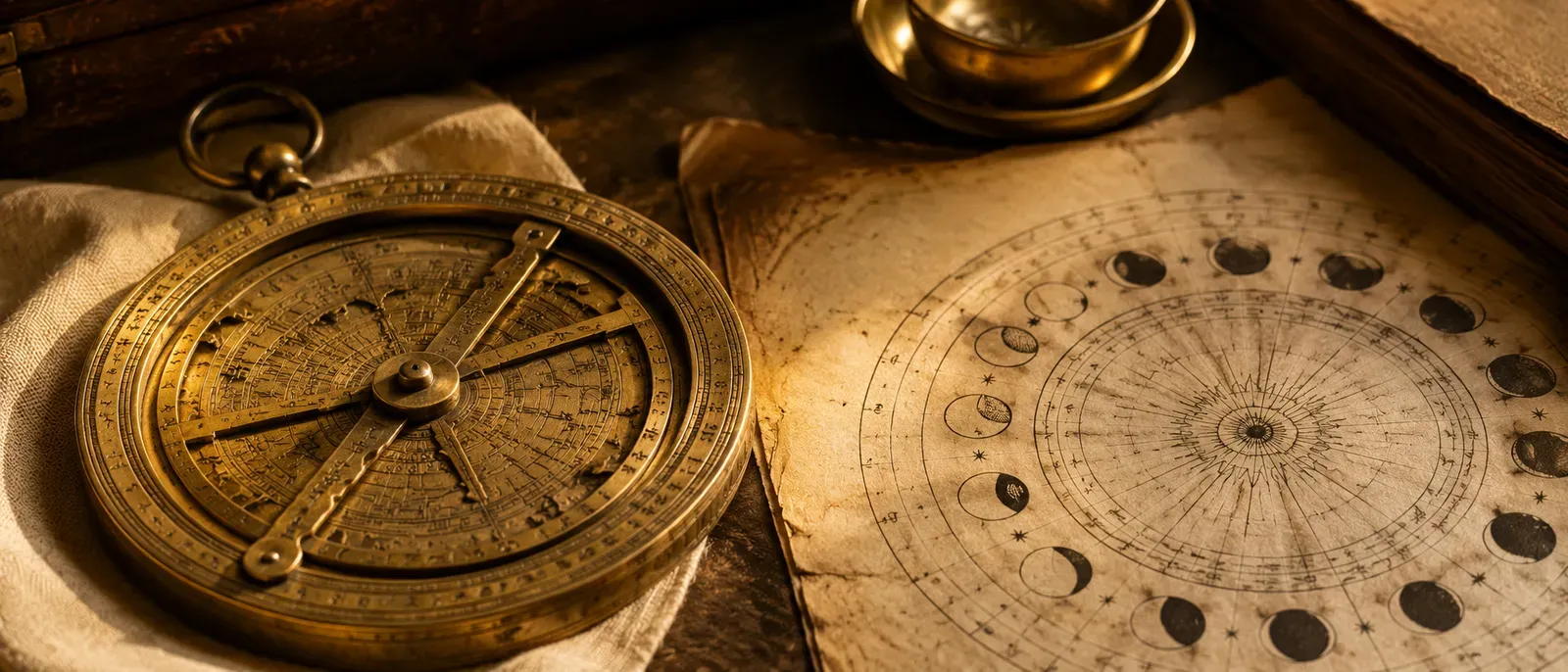
An antique brass astrolabe beside a hand-drawn lunar-phase chart on aged paper, in warm afternoon light.

पञ्चाङ्ग Panchang · The five limbs of the day

Vara, tithi, nakshatra, yoga and karana, with sunrise, moonrise, Rahu Kaal and Abhijit Muhurat. The page works out today’s values the moment you open it.

Today’s Panchang

Tuesday, 15 September 2026

For New Delhi, in Indian Standard Time.

The five limbs

Vara (weekday)
Mangalavara (Tuesday)
Paksha
Shukla Paksha
Tithi
Shukla Chaturthi until 07:44, then Shukla Panchami until 08:59, 16 Sept
Nakshatra
Swati until 15:21, then Vishakha until 17:23, 16 Sept
Yoga
Indra until 12:21, then Vaidhriti until 12:23, 16 Sept
Karana
Vishti (Bhadra) until 07:44, then Bava until 20:17, then Balava until 08:59, 16 Sept

Sun and Moon

Sunrise
06:06
Sunset
18:26
Moonrise
10:05
Moonset
20:40
Sun sign (sidereal)
Simha
Moon sign (at sunrise)
Tula

Auspicious and inauspicious periods

Rahu Kaal
15:21 – 16:54
Yamaganda
09:11 – 10:44
Gulika Kaal
12:16 – 13:49
Abhijit Muhurat
11:52 – 12:41

Month, era and observances

Month (Purnimanta)
Bhadrapada
Month (Amanta)
Bhadrapada
Vikram Samvat
2083
Observances
None

Full page for this day →

The coming days

Date Tithi (at sunrise) Nakshatra Observances
Tue, 15 Sept Shukla Chaturthi Swati
Wed, 16 Sept Shukla Panchami Vishakha
Thu, 17 Sept Shukla Shashthi Anuradha Kanya Sankranti
Fri, 18 Sept Shukla Saptami Jyeshtha
Sat, 19 Sept Shukla Ashtami Mula
Sun, 20 Sept Shukla Navami Purva Ashadha
Mon, 21 Sept Shukla Dashami Uttara Ashadha
Tue, 22 Sept Shukla Ekadashi Uttara Ashadha Ekadashi
Wed, 23 Sept Shukla Dwadashi Shravana
Thu, 24 Sept Shukla Trayodashi Dhanishtha Pradosh Vrat
Fri, 25 Sept Shukla Chaturdashi Shatabhisha
Sat, 26 Sept Shukla Purnima Purva Bhadrapada Purnima
Sun, 27 Sept Krishna Pratipada Uttara Bhadrapada
Mon, 28 Sept Krishna Dwitiya Revati

The five limbs of the Panchang

Vara
The weekday. A Panchang day begins at sunrise, not midnight, and lasts until the next sunrise.
Tithi
Every twelve degrees by which the Moon draws ahead of the Sun makes one tithi. Fifteen tithis of the bright half (Shukla Paksha) follow the new moon, and fifteen of the dark half (Krishna Paksha) follow the full moon. A tithi that is current at two sunrises is counted twice (vriddhi); one that is current at no sunrise is skipped (kshaya).
Nakshatra
The zodiac divided into twenty-seven equal lunar mansions of 13°20′ each. The one the Moon occupies is the nakshatra of the moment.
Yoga
The sum of the sidereal longitudes of the Sun and Moon, divided into twenty-seven parts, from Vishkambha to Vaidhriti.
Karana
Half a tithi. Seven movable karanas, Bava to Vishti, repeat in turn; four fixed ones, Shakuni, Chatushpada, Naga and Kimstughna, come once a month. Vishti is also called Bhadra.

How this is computed

Nothing here is copied from a printed table: each day is worked out mathematically. The Sun and Moon come from an astronomical ephemeris, and the sidereal zodiac uses the Lahiri (Chitrapaksha) ayanamsa.

Sunrise is the moment the Sun’s upper edge clears the horizon; moonrise uses the centre of the Moon, as the common almanacs do. Times are for New Delhi (28.61° N, 77.21° E).

The moment a tithi or nakshatra ends is the same everywhere in India; only its position relative to local sunrise changes. So the tithi current at sunrise can occasionally differ in another city.

Observances are listed from the tithi alone. The exact day of a major vrat can also depend on local custom and the finer rules of the shastras, so confirm with your family priest.